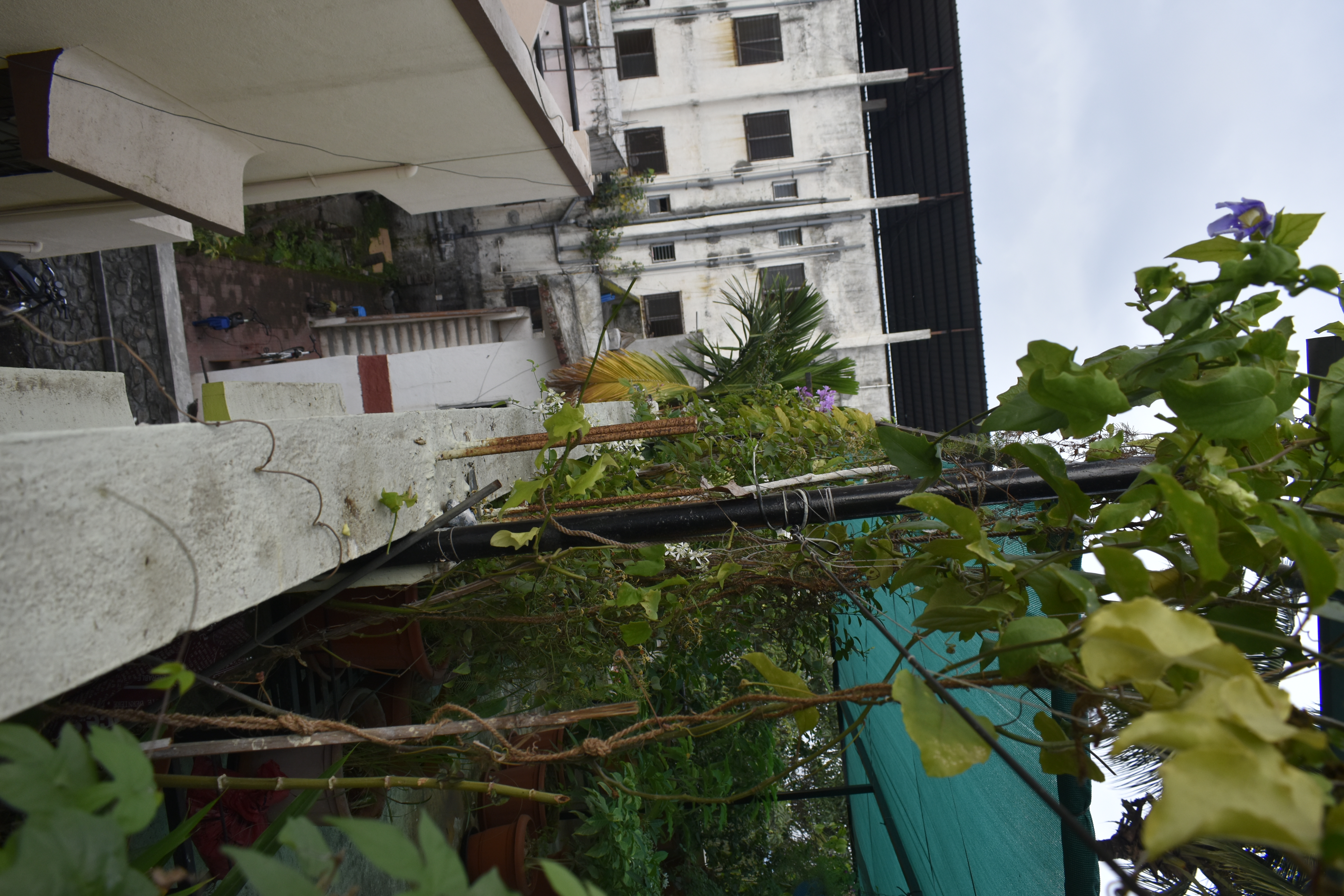
Container selection on a rooftop or elevated balcony involves trade-offs that don't apply at ground level. Weight is the controlling constraint: the combination of container, growing medium, water, and mature plant can reach 80–120 kg for a single large pot. Multiply that across a terrace with eight or ten containers and you're talking about meaningful added load on a structure that was not designed with that in mind.
The goal is to match container material and size to what the space can actually support — not to what would work in a backyard.
Container Materials: Weight Comparison
Material choice is the fastest way to reduce load without limiting planting options. The weight of a container before any soil goes in varies significantly by material:
- Fibreglass: 2–6 kg for a 40–60 cm pot. Strong, UV-stable, holds heat reasonably well. The best weight-to-durability ratio for elevated use.
- High-density polyethylene (HDPE): 1–4 kg for similar sizes. Lightweight and widely available, though low-end options degrade in UV over several seasons. Look for recycled HDPE with UV inhibitors.
- Fabric grow bags: Under 1 kg. Air-prune roots and drain freely. Limited to seasonal annuals or herbs given they have no insulation value in winter.
- Glazed ceramic: 8–25 kg before soil. Heavy and fragile under freeze-thaw cycles. Not recommended for exposed rooftop positions in Canadian climates.
- Concrete/terrazzo: 20–60 kg empty. Only viable if load calculations have confirmed significant capacity.
- Terracotta: 5–15 kg empty. Porous, which helps root health, but cracks readily through Canadian winters and adds substantial weight.
For most residential rooftops and balconies, fibreglass and quality HDPE containers in the 30–50 L size range represent the practical default. They allow for meaningful planting depth without excessive structural burden.
Depth Requirements by Plant Type
Container depth determines what can be grown successfully. The minimum depths below represent what's needed for healthy root development — not what the plant will survive in short-term:
- Herbs (basil, thyme, chives, parsley): 15–20 cm minimum. Shallow roots, forgiving in small containers.
- Lettuce and greens: 15–20 cm. Rapid growing season, lightweight overall.
- Tomatoes (determinate/bush varieties): 40–45 cm minimum, 50+ L volume. Indeterminate varieties are impractical on rooftops.
- Peppers: 30–35 cm. Moderate depth with good productivity in urban containers.
- Perennial flowers (coneflower, black-eyed Susan): 30–40 cm. These overwinter better with deeper soil that insulates roots.
- Small shrubs or ornamental grasses: 45–60 cm. The upper end of what makes sense on a residential balcony from a weight standpoint.
- Dwarf trees or large ornamentals: Not recommended for residential rooftop use without structural engineering review.

Drainage: The Part Most People Skip
Drainage matters more on a rooftop than anywhere else. Water that doesn't exit the container has nowhere to go except down — through the deck membrane, into the structural layers below. Even one season of chronic overwatering can degrade a rooftop membrane that would otherwise last decades.
What good drainage requires in practice:
- Multiple drainage holes, not one central hole. A single hole clogs. Containers with five or more small holes around the base perform better in long wet periods.
- Container feet or risers. Containers sitting flush on a deck surface block drainage and trap moisture against the membrane. Plastic feet or purpose-made risers elevate the base by 3–5 cm, which is enough to allow free drainage.
- No saucers in wet climates. Saucers make sense in dry interior spaces. On an open rooftop in Vancouver, Halifax, or Toronto through spring and fall, saucers pool water and keep the growing medium saturated.
- Drainage layer is optional. The old practice of putting gravel or broken pottery at the base of a pot is not supported by current horticultural research. It can actually create a perched water table that slows drainage. A quality potting mix with good pore structure outperforms a drainage layer.
Weight Management Through Growing Medium
Standard garden soil is one of the heaviest components in any container setup. A 50 L container filled with garden loam weighs roughly 65–75 kg when saturated — close to the upper limit of what many balconies can safely support in a single point load.
Lightweight growing media commonly used in elevated gardens:
- Perlite-amended mixes: Adding 25–30% perlite by volume to a commercial potting mix reduces weight by 15–20% and improves drainage.
- Coir-based mixes: Coconut coir holds moisture well while remaining lighter than peat-based mixes at saturation.
- Lightweight expanded clay aggregate (LECA): Used in hydroponic systems, can be mixed into substrate for weight reduction. Expensive and not ideal for all plant types.
- Purpose-made rooftop media: Products designed for green roof installation (substrate mixes with volcanic aggregate) are the lightest option but require adjustment of watering frequency as they drain rapidly.
Wind and Stability
Taller containers are more prone to tipping in wind — an overlooked risk on rooftops above the fifth or sixth storey. Container stability guidelines for exposed positions:
- Use wide-base containers where the base diameter is at least 60% of the height.
- Group containers together against a parapet or wall rather than placing them in the open centre of a rooftop.
- Stake any tall plants, including tomatoes and sunflowers, to the container itself rather than relying on the plant stem.
- Avoid top-heavy arrangements — large plants in small pots — even if the weight is acceptable.
A container that tips and breaks on a rooftop or balcony is a fall hazard for anyone below. This is not a minor concern. Stability should be treated as a safety requirement, not an aesthetic choice.
What to Prioritize When Starting Out
For a first rooftop or balcony garden in a Canadian city:
- Start with fibreglass or quality HDPE containers in the 20–40 L range.
- Use a commercial potting mix cut 25% with perlite.
- Elevate every container on feet or risers.
- Skip saucers unless the space is sheltered and very dry.
- Keep the setup modest the first season — evaluate how the building responds to watering runoff before expanding.
The Agriculture and Agri-Food Canada plant hardiness zone maps provide the baseline for understanding which perennials can overwinter in containers across different regions. Combined with a structural assessment of the deck, these are the two pieces of information that define what's actually possible before any shopping begins.